Tried and True Tidbits
Dog Food
- To keep your dog from bloating their stomach with too much air while eating, it is a good practice to elevate the dog food off the floor approximately 1 foot depending on the size and breed of your dog. We found a small table approximately the size of a dog dish for our dogs and that seems to work pretty well.
- If your dog is an aggressive eater (eats very fast), sometimes it helps to put your dog food in a puzzle bowl so that the dog must navigate through the puzzle to get to the food and it'll slow his swallowing rate down substantially. Puzzle bowls are dog food bowls that have obstructions (typically large grooves) for the food to settle in and forces the dog to use their tongue to dig out the food particles.
- If you don't want to get a puzzle bowl and spend that extra money, it is also just as easy to find some river rock (smooth, fist sized stones) to put in the middle of your bowl for your dog to navigate around while your dog eats.
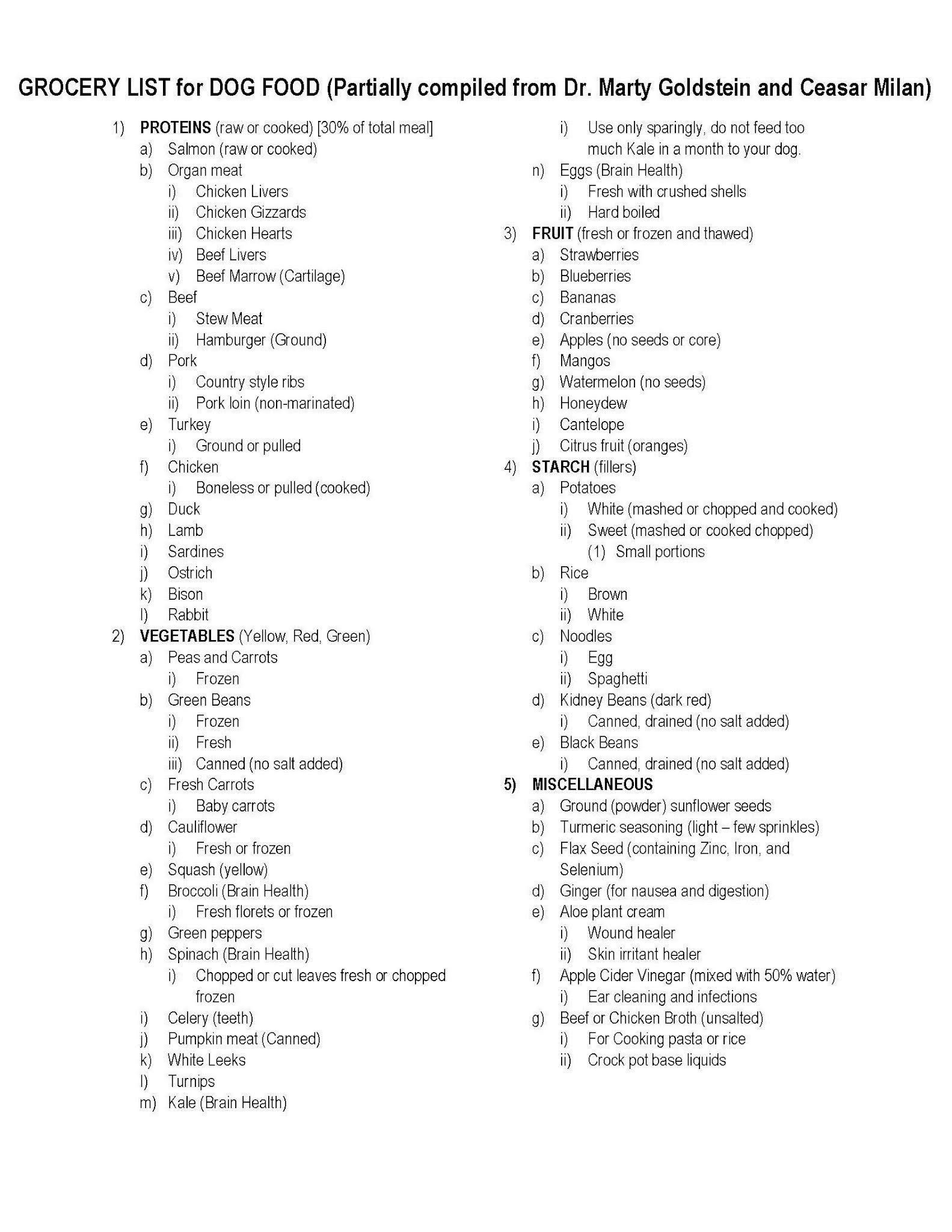
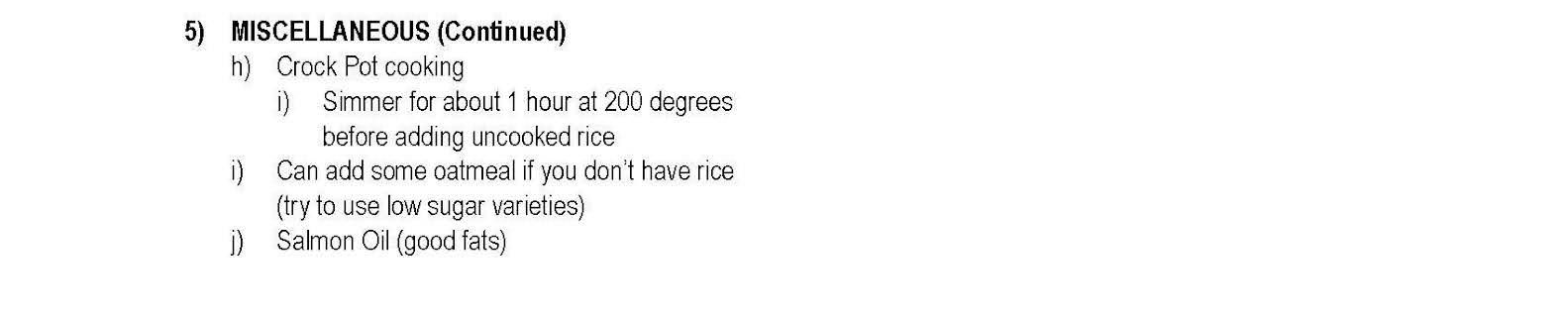
- The biggest challenge that most dog owners have is the cost of dog food for your dogs. We have found that by purchasing natural ingredients at the grocery store, this cuts the cost of dried dog food at the pet store by about half. Now this varies on the types of ingredients that you choose to get for your dog. There is often the ability to find savings by selecting ingredients that don't cost quite as much. Some ingredients that are natural at the grocery store obviously will cost more than others. It is recommended that you look at the vitamin intake and the other benefits for humans of the food you are looking at for your dog and it generally will match the benefit. We generated a general list of grocery items that you could buy outside of the dog food aisles. This list came from research by popular dog vets and trainers, Doctor Marty Goldstein and Ceasar Milan. You can also check with a dog nutritionist, often available by asking your veterinarian.
- Egg shells: Egg shells are a great source of calcium for your dogs. Some folks crack an egg in their dish with the broken eggshells included. However, I find that adding egg shells separately is better to manage. To do this, I use eggs as normal in my own consumption and just rinse and set aside the broken eggshells. I often just put the eggshells in a mortar and pestle until I have enough to grind up.
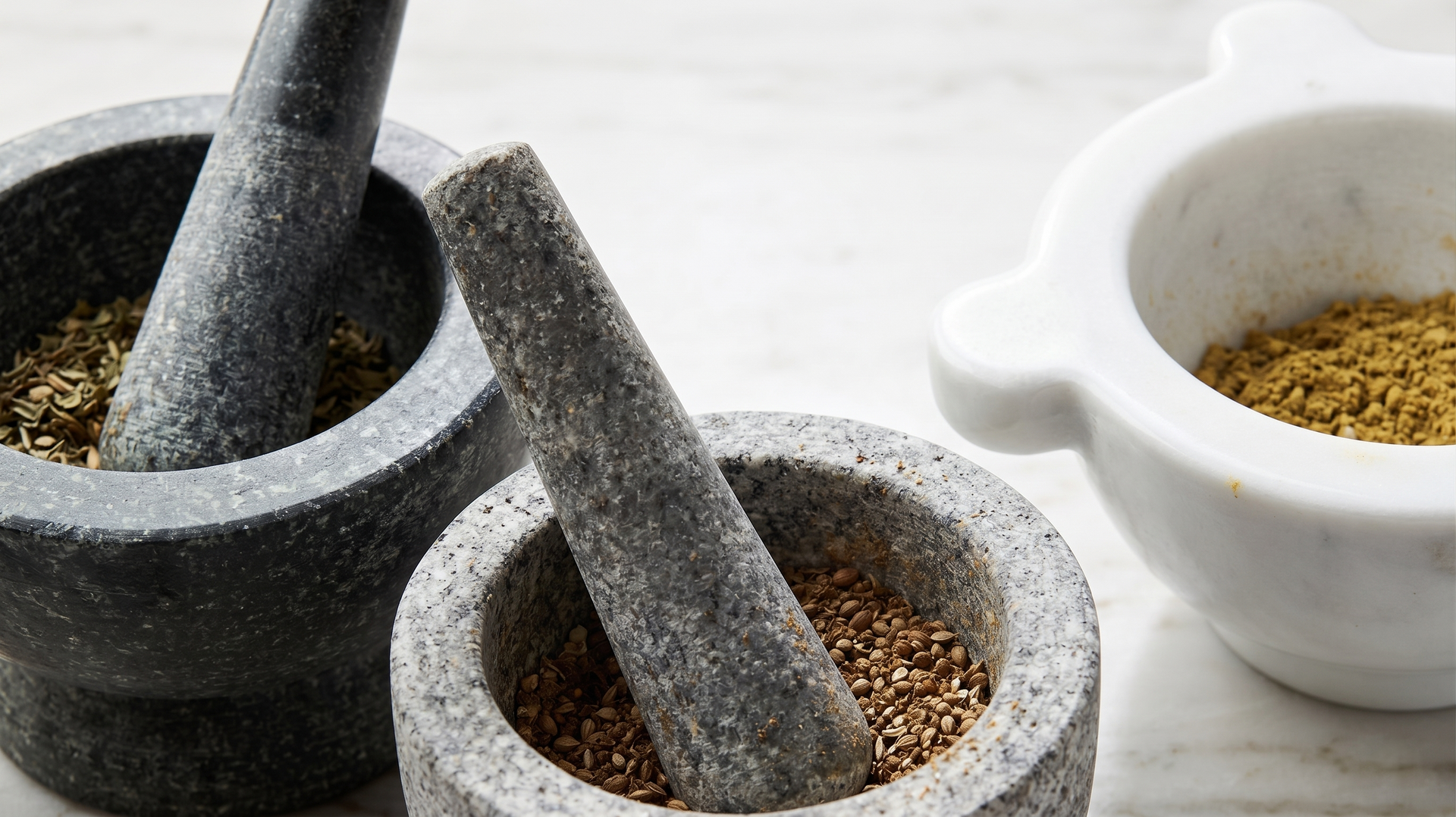
A mortar and pestle is a traditional, durable kitchen tool used for grinding, crushing, and pounding herbs, spices, nuts, eggshells, and ingredients into fine powders or pastes. It consists of a bowl (mortar) and a heavy, club-shaped tool (pestle). Top choices include granite for heavy-duty grinding (e.g., ChefSofi), ceramic for non-porous ease of use (e.g., Emile Henry), or wood, generally priced between $23 and $75 (from Wikipedia).
To grind the eggshells, I break up the eggshells into larger fragments with the mortar and pestle. Then I transfer all the broken eggshells back to a small bowl. I then return a smaller portion of the broken eggshells at a time to the mortar and pestle for grinding.

It usually takes about 50 to 100 rotations with a brisk grinding (circular) motion of the pestle. Once the smaller portion is ground to almost a powder (sizes of fragments is about sand sized), I transfer them from the mortar to a small snack bag for long term storage until I sprinkle them on my dog’s food servings.
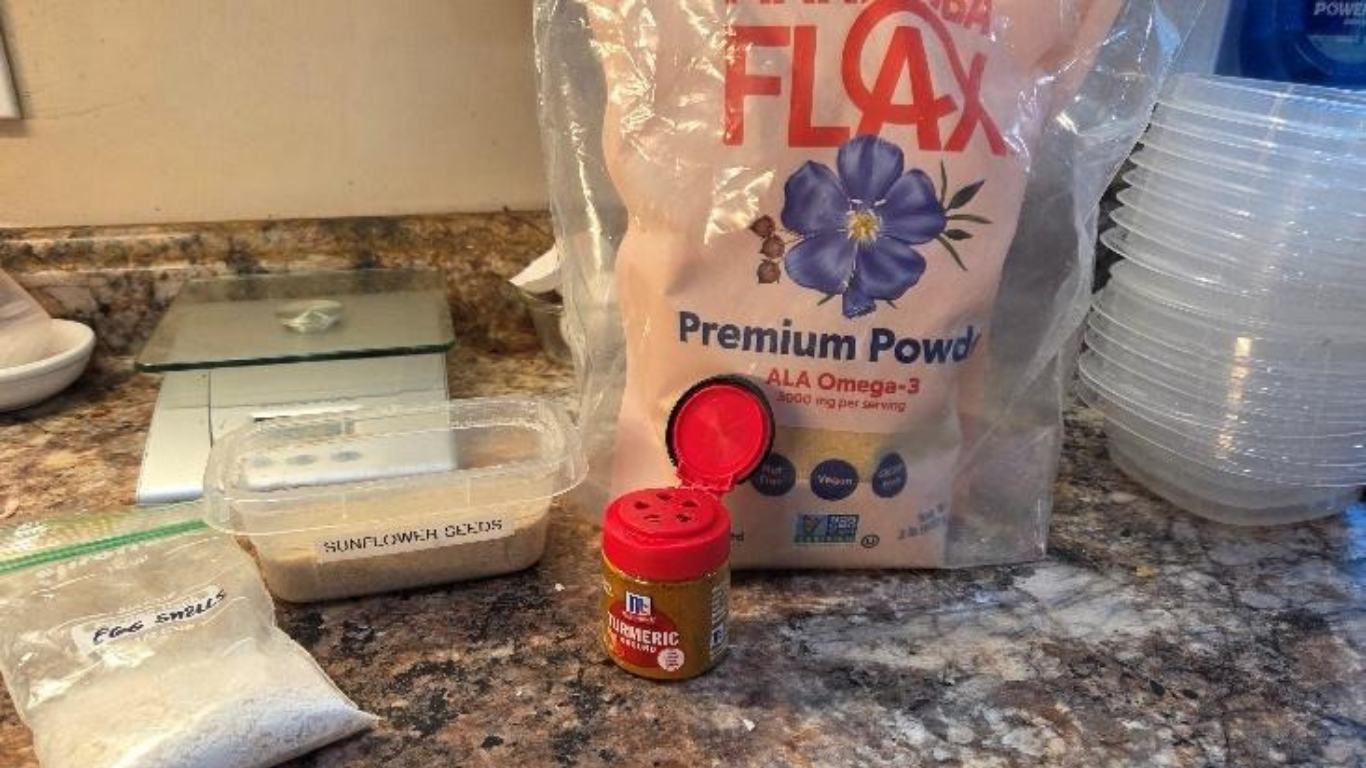
Here are the items that I would typically apply over my dog’s primary dinner meal while I prepare the meals in advance.
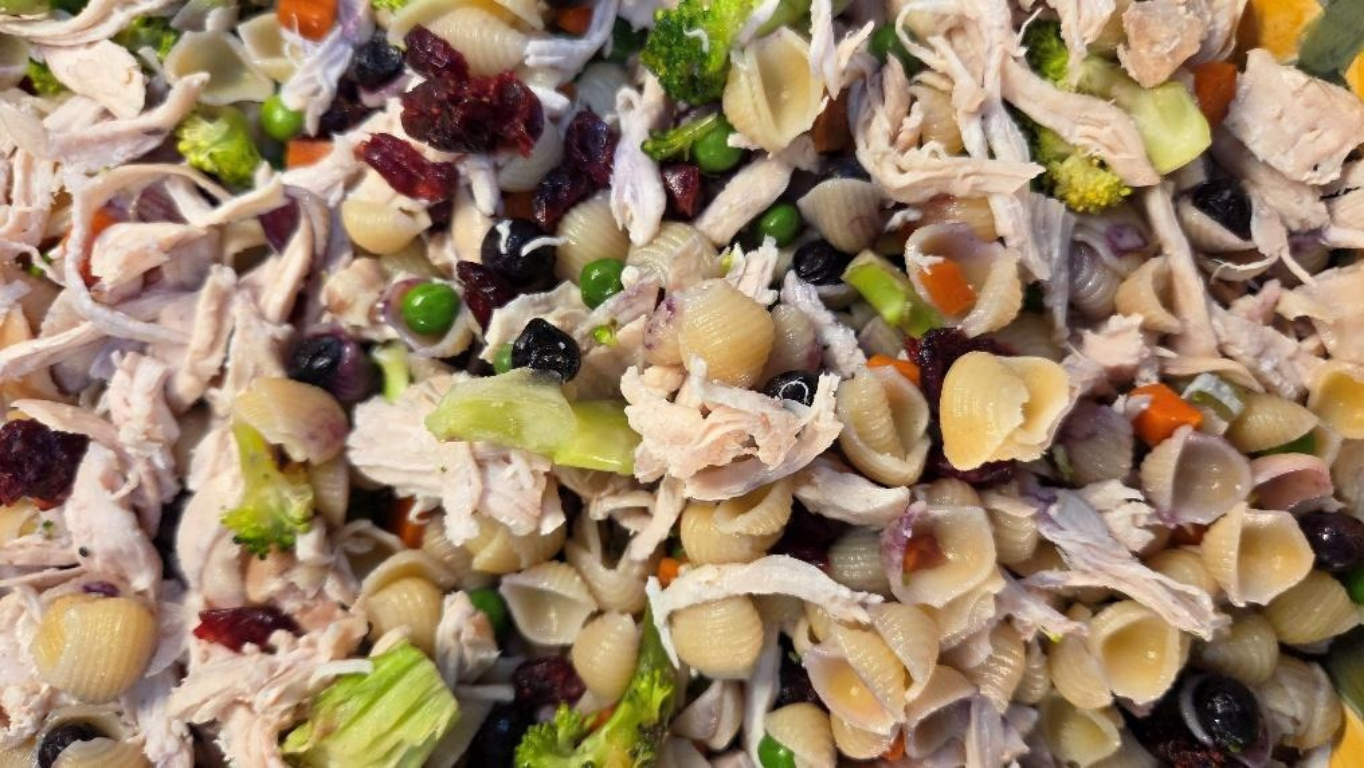
Below is what my dog’s dinners might look like with some of the ingredients off my dog food shopping list. This batch consists of shredded chicken (3 lbs before cooking), dried cranberries, frozen blueberries, peas and carrots (frozen), fresh broccoli crowns, 1 full box of small sea shell noodles cooked. Toppings were applied after I divided the servings up.
Below are the 9 servings (1 cup per dog per dinner meal). This is the third meal of the day for my two 50-75 lb dogs (Australian Shephard, Chesapeake Bay Retriever). Breakfast is ½ cup of dried kibbles from the bag off the store shelf, lunch is ½ cup for the Aussie and 1 cup for the Chessie (based on daily activity, I reduced my lazy Aussie’s serving (down to ½ cup) and kept my active Chessie at 1 cup serving size for lunches). Lunches are similar to dinners, except I only refrigerate up to 5 days and any extra lunch meals are frozen in the freezer to prevent spoilage. You can see how I applied toppings (eggshells, turmeric, flax seed, and sunflower seeds). I used a “pinch” for most and just sprinkled a little of the eggshells and turmeric on each serving.

Below is how I store my dog’s premade dinners and extra lunch meals (above my limit of 5 for refrigeration) in our freezer. Note the frosty paws in the small ½ portions on the top shelf. We keep the supplies for future dog meals in a bin noted on the left side on the main shelf.

6. Attached below is a list of grocery store items that dogs can eat. I often print this list out and laminate it (or take a photo of it) so I can take it to the grocery store if I am shopping for natural dog foods (not dry kibbles).
7. Attached below is a list of grocery store items that dogs cannot eat. Partially taken from www.Callmepmc.com.
a. Grapes (all kinds)
i. Includes raisins which are dried grapes
b. Onions (all kinds)
c. Garlic (seasoning or raw)
d. Dark Chocolates (good idea to avoid any chocolates)
e. Macadamia Nuts
f. Avocados
i. Causes vomiting and diarrhea
g. Certain mushrooms
h. Gums, candy, and some peanut butters (containing Xylitol)
i. Check the ingredient list on the peanut butter jar before buying or giving it to your dog.
i. Salty or spicy foods (dogs digestion does not know how to deal with salts)
j. Alcohols
k. Cooked bones
i. Suspect to splintering.
ii. Only raw bones are advisable. Check with your veterinarian.
l. Many dairy products (in abundance)
i. Most dogs can handle some minor dairy products on a very limited basis such as cheese.
ii. Be careful about giving your dogs ice cream, not recommended.
- For summer cooling, feed your dog a frozen treat of blended Greek (plain only) yogurt, peanut butter (no Xylitol) or applesauce, and some honey, and banana. Blend until mixed and pour into small Tupperware cups (approximately ½ cup serving sizes). Freeze overnight and store in freezer until consumed by your dog. They should lick the contents out of the cups. Do not let them eat the containers, so watch them carefully while they are enjoying the treat.
m. Fruit pits and seeds
i. While dogs love apples, do NOT let them eat any apple seeds.
ii. Most seeds contain cyanide and are toxic to dogs.
n. Citrus, Carrots, and Corn in abundance
i. Small portions of citrus (peeled seedless oranges, mandarins, etc.), carrots, and corn are okay for dogs. Oranges, carrots, and corn are typically higher in sugar and may affect your dogs if given in abundance over time.
Traveling With Dogs
- As dogs often get very thirsty when you travel with them in cars, it is a good idea to always maintain a collapsible dog bowl and a plastic bottle or jug of water in your car. Keep in mind the water contained in bottles or plastic jugs can get either cold or hot based on the temperatures outside the car. So always keep it in mind when temperatures go below freezing that the water in that container might freeze as well. Or if the temperatures get really hot, the water in that container can become very warm and not as pleasant for your dog to drink. Change out the water once a month to make sure your dogs always getting fairly fresh water.
- If you live near fun places for dogs to roam, for instance the beach or a mountain stream or dog park or natural place that doesn't really drain very well, then you've probably run into dogs with muddy feet when they come out from playing or come in from that walk that you're taking them on. To accommodate for the mess that the dogs might create we suggest having some old towels in your car and perhaps a soft bristle, handheld brush so that you can sweep off the sand or wipe off mud and clean up their belly from the mud splashes and sticky sand that they generate when they're running through puddles or on the beach. This is an easy way to help keep your car clean and to keep the dogs from bringing the mud and sand into your home.
- When traveling with your dogs, always be aware of local ordinances at beaches or in parks for controlling your dogs by requiring them to be either on a leash or allowing off leash dogs. Most beaches allow dogs to be off leash but within voice control all times during the offseason months between Labor Day and Memorial Day holidays. Of course, always be mindful of other guests in those areas and always assume that other people will be uncomfortable with seeing your dog approach them while off a leash, even if allowed at that time and location. Courtesy to the public folks sharing the area with your dog is always a good idea.